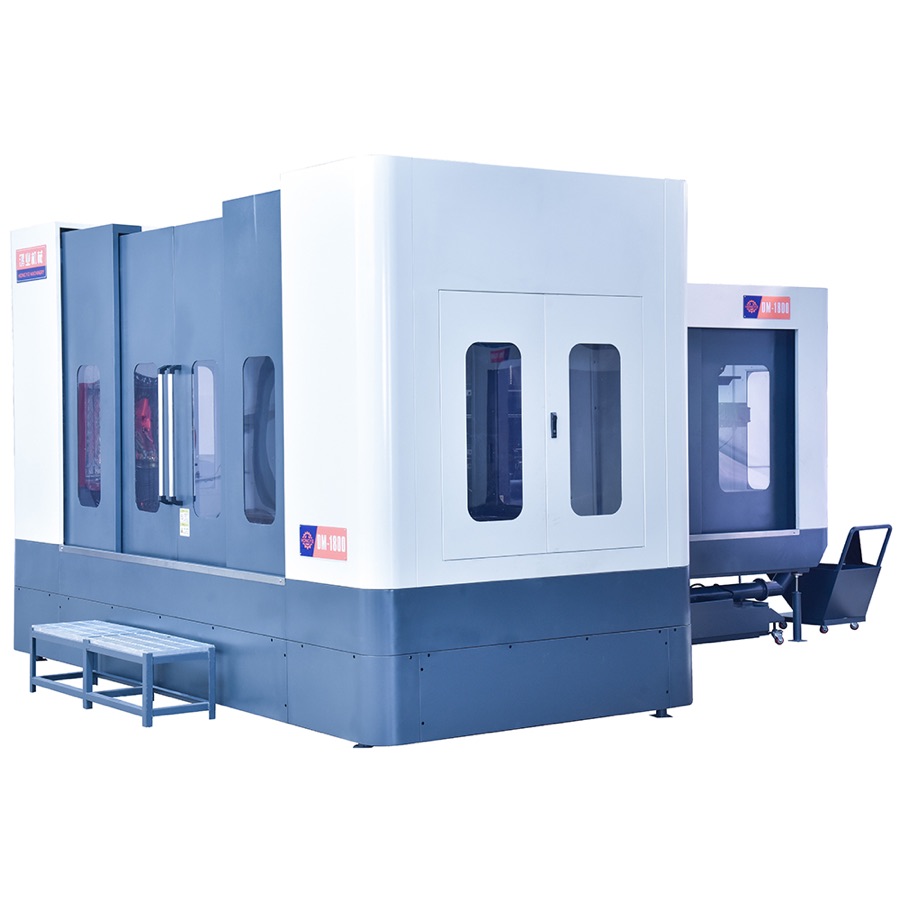
A defensible deep hole drilling machine TCO comparison uses the same workpiece, acceptance criteria, annual volume and operating schedule for every supplier. Add delivered machine cost, installation, tooling, coolant, labor, energy, maintenance, downtime and rejected-part cost over one defined period, then divide by accepted parts. Require evidence for every supplier-controlled input: cycle-time study, tooling list, installed power, service plan, spare-parts schedule and FAT result. A lower purchase price is not a saving when additional setups, longer cycles or unstable output raise the cost per accepted part.
1. Freeze one comparison basis
Use 1 approved part drawing, material grade, hole diameter, depth, tolerance and surface requirement for every quotation. Record annual volume, working days, shifts and available hours in the same worksheet.
2. Set the evaluation period
Choose a documented period such as 3, 5 or 7 years and apply it to every bidder. Use the buyer's finance policy for depreciation, interest, tax and residual value rather than supplier estimates.
3. Calculate delivered equipment cost
Add the machine, options, freight, insurance, import charges, rigging, foundation, utilities, installation and training as separate lines. A complete comparison contains at least 8 delivered-cost fields, each supported by a quotation or internal estimate.
4. Convert cycle time into annual capacity
Annual theoretical output equals available production minutes divided by minutes per part. Apply separately documented setup, tool-change, planned-maintenance and utilization allowances before reporting accepted annual capacity.
5. Price tooling per accepted part
List drill heads or gun drills, guide bushes, holders, support pads, seals and setup gauges with expected lives. For each item, divide purchase and regrind cost by verified accepted holes or parts, not by an unsupported life claim.
6. Record coolant and filtration consumption
Separate initial fill, make-up fluid, filter elements, disposal and laboratory or concentration control. Track at least 5 coolant-cost lines because pressure-system operation and filtration are process requirements, not optional overhead.
7. Use measured labor content
Record loading, unloading, inspection, tool preparation, chip handling and changeover minutes per batch. Multiply the measured direct and indirect minutes by the buyer's loaded labor rate for each shift pattern.
8. Base energy cost on the duty cycle
Installed power is not the same as average consumption. Measure or estimate spindle, coolant pumps, hydraulics, chip system, filtration and standby over 1 representative cycle, then multiply kWh by the buyer's tariff.
9. Separate planned service from downtime
Planned maintenance belongs in scheduled hours, labor, filters, seals, lubricants and replacement parts. Price unplanned downtime separately as lost hours multiplied by the buyer's documented contribution or alternative-production cost.
10. Include rejected and reworked parts
For an agreed trial quantity, record accepted, reworked and rejected parts against the drawing. The model should contain 3 quality outcomes and apply the buyer's actual material, machining and recovery cost to each.
11. Compare cost per accepted part
Total cost per accepted part equals total period cost divided by accepted parts produced in that period. Run at least 3 scenarios—base, lower utilization and higher demand—to see whether the preferred machine changes.
| Input | Buyer data | Supplier evidence |
|---|---|---|
| Equipment | Import and site costs | Itemized quotation |
| Capacity | Shifts and available hours | Cycle-time study |
| Tooling | Local tool prices | Tool list and trial record |
| Coolant | Fluid and disposal prices | System volume and filter schedule |
| Labor | Loaded hourly rate | Setup and handling study |
| Energy | Electricity tariff | Installed power and duty cycle |
| Service | Local labor and downtime value | Maintenance and spares plan |
| Quality | Part and rework cost | FAT measurement report |
Frequently asked questions
What costs belong in a deep hole drilling machine TCO calculation?
Include delivered equipment, installation, tooling, coolant and filtration, labor, energy, preventive maintenance, unplanned downtime and rejected parts over one defined evaluation period.
Should machine quotations be compared only by purchase price?
No. Compare the same workpiece, annual volume, working days, shift pattern, acceptance criteria and evaluation period, then calculate cost per accepted part.
How should downtime be priced?
Multiply verified lost production hours by the buyer's documented hourly contribution or replacement-production cost. Keep planned maintenance separate from unplanned downtime.
What evidence should a supplier provide?
Request an agreed cycle-time study, tooling list, consumable schedule, installed power data, maintenance plan, spare-parts list, warranty terms and FAT results for a representative part.
Use the quotation comparison guide to normalize commercial scope, verify output with the capacity calculation guide, and include the result in the FAT acceptance plan.